Backyard makeover case study by Ealing gardeners near Northfields station
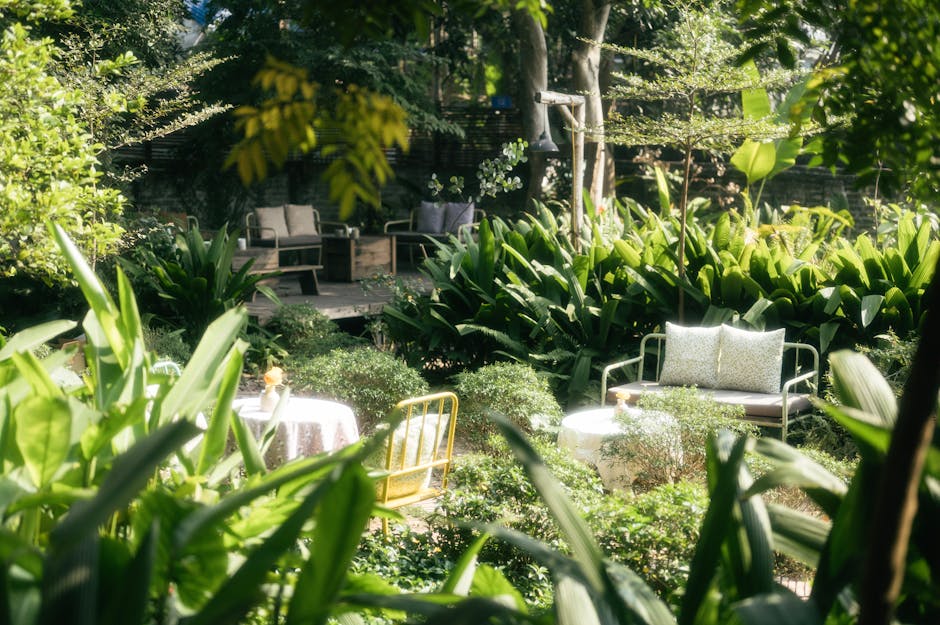
If you have been staring at a tired, awkward backyard and wondering how on earth it could become a place you actually want to use, you are in the right place. A well-planned backyard makeover case study by Ealing gardeners near Northfields station shows what changes matter most: the layout, the surfaces, the planting, the clean-up, and the long-term upkeep. Not the flashy bits alone. The whole picture.
Near Northfields station, many gardens sit in that familiar London middle ground: not tiny, not huge, a bit shaded, a bit exposed, often with patchy lawn, old borders, and a corner that becomes a dumping ground for everything nobody wants to deal with. Truth be told, that is exactly the kind of space where a thoughtful makeover can make a dramatic difference. In this article, you will find a clear, practical guide to what a backyard transformation involves, why it matters, how it works, and what to watch out for if you are planning one yourself.
Expert summary: The best backyard makeovers are not just cosmetic. They solve everyday frustrations - poor drainage, weak structure, awkward access, messy edges, and planting that is hard to maintain - while creating a space that feels calmer and more usable from day one.
Contents
- Why Backyard makeover case study by Ealing gardeners near Northfields station Matters
- How Backyard makeover case study by Ealing gardeners near Northfields station Works
- Key Benefits and Practical Advantages
- Who This Is For and When It Makes Sense
- Step-by-Step Guidance
- Expert Tips for Better Results
- Common Mistakes to Avoid
- Tools, Resources and Recommendations
- Law, Compliance, Standards, or Best Practice
- Options, Methods, or Comparison Table
- Case Study or Real-World Example
- Practical Checklist
- Conclusion
- Frequently Asked Questions
Why Backyard makeover case study by Ealing gardeners near Northfields station Matters
A backyard makeover is rarely just about making things look nicer. In a dense London setting, small outdoor spaces need to work harder. They need to drain properly after rain, feel private enough to enjoy, and stay manageable when life gets busy. That is why a backyard makeover case study by Ealing gardeners near Northfields station is useful: it shows the practical decisions behind a finished garden, not just the polished result.
Many backyards in the area are affected by a familiar mix of issues: compacted soil, tired turf, overgrown hedges, neglected borders, and poor zoning. One section might be too dark for lush planting, while another gets battered by wind or full afternoon sun. A good redesign does not fight the space. It works with it. That sounds simple, but it is often where projects go off track.
There is also a lifestyle angle here. A backyard that feels unfinished tends to get avoided. People stop sitting out. Children stop using it. Maintenance becomes reactive. Then it slips further. A makeover can break that cycle, and that is more valuable than a cosmetic refresh. The change is felt in everyday life, which is why it matters.
If you are comparing services, it helps to look beyond general garden tidy-ups. You may need a broader mix of landscaping, landscape gardening, and ongoing garden maintenance rather than a one-off clean. That distinction matters quite a bit, especially if the space has become unruly over time.
How Backyard makeover case study by Ealing gardeners near Northfields station Works
In practice, a backyard makeover usually follows a sequence: assess, clear, reshape, install, finish, and maintain. It sounds straightforward, but each stage has decisions that affect the final result. The best outcomes come from treating the backyard like a small outdoor room, with structure first and decoration second.
Near Northfields station, access can be a real consideration too. Narrow side passages, shared boundaries, and limited parking mean materials and waste often need to be handled with a bit more planning. Not glamorous, but important. You do not want halfway-installed decking sitting in the rain because the delivery timing was off. Nobody wants that. Not on a Tuesday morning, anyway.
The process often begins with a site review. That includes checking levels, drainage behaviour, sunlight, existing hard surfaces, and what can be kept. A mature hedge may give useful screening; a tired lawn may need replacement. A good contractor will also look at how you actually use the space. Do you want dining space, storage, a small lawn, or just something peaceful and low-effort?
From there, the makeover usually involves a combination of:
- clearance of debris, dead growth, and unwanted materials
- structural work such as edging, levelling, or new surfaces
- planting design that suits light levels and maintenance preferences
- simple circulation routes so the garden feels easier to move through
- finishing touches that make the space feel intentional rather than patched together
Depending on the brief, the project may also involve garden clearance, decking services, hedge trimming, lawn mowing, or even tree lopping and removal if an overgrown canopy is stealing light. Not every garden needs all of that. But enough gardens need at least one of those elements that it is worth thinking holistically.
Key Benefits and Practical Advantages
The biggest benefit is simple: you get a garden you can use. But there are several more practical advantages that show up quickly once the work is done.
- Better day-to-day usability: clear paths, better zoning, and fewer awkward dead corners.
- Lower maintenance stress: a sensible design is easier to keep under control, which means less weekend rescue work.
- Improved visual balance: even a small backyard can look calmer when hard and soft landscaping are properly balanced.
- More privacy and comfort: screening, hedge shaping, and planting choices can make the space feel more secluded.
- Better water behaviour: correcting drainage or soil issues helps stop the all-too-familiar muddy patch near the back door.
- Stronger long-term value: while value depends on the property and wider market, a well-finished outdoor space is generally easier to present and enjoy.
There is also a subtle psychological benefit. When a backyard feels designed rather than neglected, people tend to use it more often. A cup of tea outside in the morning becomes a habit. The grill comes out. The children kick a ball without tripping over a half-buried planter. Small things, but they add up.
Quick takeaway: the best backyard makeovers solve practical problems first, then layer in style. If you reverse that order, the garden may look nice for a month and then annoy you all summer.
Who This Is For and When It Makes Sense
This kind of project suits a few different people. Some already know they want a major transformation. Others just know the garden is no longer working. That second group is often the one that benefits most.
You may be a good fit if:
- your backyard feels too cluttered, uneven, or neglected to enjoy properly
- the lawn is thin, patchy, or difficult to maintain
- you want a cleaner look without committing to high-maintenance planting
- you need more usable space for sitting, entertaining, or family time
- you want to improve shade, privacy, or flow through the garden
- you have inherited an overgrown property and need a full reset
It also makes sense if your current garden is technically fine but emotionally useless. That sounds a bit dramatic, but it is often true. If the space only ever feels like a chore, it is not really adding anything to your home.
For property owners, landlords, or people preparing a home for sale, a makeover can be especially worthwhile because it helps the garden look deliberate and maintained. For families, the payoff is more immediate: a better place to sit, play, or potter around after work without feeling overwhelmed.
Step-by-Step Guidance
Here is a grounded way to approach a backyard makeover, whether you are doing a modest refresh or a more substantial redesign.
- Define the main job of the garden. Is it for relaxing, entertaining, growing plants, or family use? A garden cannot be everything at once, at least not well.
- Clear what is no longer useful. Remove dead plants, broken planters, old timber, and debris. A clean base makes planning easier and usually reveals hidden issues.
- Check drainage and levels. Look for water pooling, uneven paving, or soil that stays wet for too long. These issues should be handled before decorative work begins.
- Plan the layout. Decide where seating, planting, storage, and movement should sit. Keep the route from back door to main use areas smooth and obvious.
- Choose the right surfaces. Decking, gravel, paving, lawn, or mulched beds each serve a different purpose. Pick what fits the use, not just what looks trendy.
- Install structure first. Edges, retaining features, raised beds, screens, and steps should be done before planting finishes go in.
- Add planting with maintenance in mind. Mix evergreen structure with seasonal interest. Avoid creating a border that needs constant babying unless you genuinely enjoy that sort of thing.
- Finish with cleaning and detail work. Trim edges, level surfaces, and make sure the whole space feels complete rather than half-done.
- Set up a simple maintenance plan. A makeover stays attractive only if the follow-up care is realistic.
If you want a project to stay tidy after completion, the follow-up matters almost as much as the build itself. A neat garden is not a one-week miracle. It is a habit. That may sound obvious, but many people skip it and then wonder why the weeds came back so quickly. They do, annoyingly.
Expert Tips for Better Results
Here are the kinds of decisions that usually separate a good makeover from a really good one.
- Respect the light. Before choosing plants or placing seating, notice where the sun lands at different times of day. Morning and late afternoon light can feel completely different.
- Keep materials coherent. Too many colours or finishes can make a small backyard feel chopped up. Two or three core materials is usually enough.
- Use simple geometry where possible. Straight lines, clean edges, and clear zones often work better than complicated shapes in compact spaces.
- Think about movement in real life. You should be able to walk with a watering can, a compost bag, or a tray of drinks without awkward shuffling.
- Mix evergreen structure with seasonal colour. The garden should not collapse visually in winter.
- Leave a margin for growth. Plants always seem small when first installed. Then, one wet spring later, they are not.
- Make maintenance easy to reach. If you cannot prune, weed, or water comfortably, the nice design will become a burden.
One small but useful tip: take photographs before, during, and after the makeover. Not for social media, necessarily. Sometimes just to remember what was there and how the space changed. A bit of documentation helps if you later want to extend the design or keep a record for future work.
And yes, a tape measure is still a hero. Not glamorous, but there it is.
Common Mistakes to Avoid
Backyard makeovers can go wrong in predictable ways. The good news is that most mistakes are avoidable if you slow down at the planning stage.
- Starting with planting before structure: this often leads to awkward access and a patchy finish.
- Ignoring drainage: decorative upgrades will not fix a soggy corner if the underlying issue remains.
- Choosing high-maintenance features by accident: some materials and planting combinations look great but demand more care than expected.
- Overcrowding the space: too much in a small backyard makes it feel smaller, not richer.
- Leaving old clutter in place: partly cleared gardens tend to keep looking unfinished.
- Forgetting privacy and shade: these are often the difference between a pretty garden and one you actually use.
There is also a planning mistake that happens a lot: people judge the garden from one standing position, usually the back door. That is only one viewpoint. Walk the space slowly. Sit where you would sit. Look from the kitchen window. You will notice things that a quick glance misses.
Another common one? Buying materials too early. It feels productive, but unless the measurements and sequence are sorted, those paving slabs or timber boards may sit around while everyone waits. Not ideal.
Tools, Resources and Recommendations
Even if you are hiring help, it is useful to know what a proper backyard makeover typically relies on. That way, you can ask better questions and judge the proposal more confidently.
- Measuring tools: tape measure, string line, spirit level, and marking paint or pegs for layout.
- Clearance tools: sacks, wheelbarrows, pruners, loppers, rakes, and waste containers.
- Ground preparation: spades, forks, compactors, edging tools, and soil improvers where appropriate.
- Installation materials: timber, gravel, paving, topsoil, mulch, edging, and fixings suited to the intended use.
- Maintenance tools: mower, shears, hand fork, hose or watering can, and basic pruning kit.
If you are planning a serious refresh, it is also worth reviewing a provider's wider service range. A project often needs more than one skill set, so it helps when a team can handle design, clearance, finishing, and aftercare without turning it into a relay race. The services overview is a useful starting point, and you can also look at pricing and quotes if you want to understand how estimates are usually approached.
For broader trust signals, it is sensible to check practical site policies as well. Insurance and safety matters when machinery, tools, or access constraints are involved, while recycling and sustainability is worth reading if you care about waste handling and responsible disposal. Those are not flashy pages, but they tell you a lot about how a team works.
If you are just exploring the company behind the work, about us gives you a sense of the people and approach, and contact us is the obvious next step when you are ready to discuss your own garden. Simple, really.
Law, Compliance, Standards, or Best Practice
Backyard makeover work usually sits in the category of practical home and garden improvements, but there are still important standards and good-practice considerations. These are worth thinking about, especially if the project involves heavier works, access issues, or tree-related tasks.
First, safety should never be treated as an afterthought. Good contractors normally plan safe access, controlled waste movement, and sensible use of tools and equipment. That includes reducing trip hazards, keeping work areas tidy, and making sure any digging or cutting is handled carefully. If you are comparing providers, ask about safety approach rather than assuming it is all the same. It usually is not.
Second, if a project involves trees, larger shrubs, boundary work, or anything that could affect light, roots, or neighbouring properties, best practice is to take a cautious approach and check what is actually needed before cutting hard. Heavy pruning or removal is not something to do casually. If you are unsure, it is better to pause and review than to discover later that the garden has been stripped back too far.
Third, responsible waste handling matters. Garden waste should be sorted, removed, and processed in a sensible way, with recyclable material separated where possible. That is one reason a clear policy around waste and sustainability is helpful. It is not just admin; it shows the job is being done properly from end to end.
Finally, good practice means being honest about scope. If a space needs clearance before it can be redesigned, say so. If a surface is worn out and should be replaced rather than patched, say that too. The point is to solve the problem properly, not just make it look solved for a photo.
Options, Methods, or Comparison Table
Not every backyard makeover needs the same method. Some spaces respond well to light intervention, while others need a more structural approach. Here is a simple comparison to help you think it through.
| Approach | Best for | Strengths | Watch-outs |
|---|---|---|---|
| Light refresh | Gardens that are mostly functional but tired | Quick improvements, lower disruption, tidy finish | May not solve structural or drainage issues |
| Clear and reset | Overgrown or cluttered backyards | Creates a blank canvas, reveals hidden problems | Can feel plain until the next design stage is done |
| Full redesign | Spaces with poor layout, access, or surface problems | Best long-term transformation, stronger usability | More planning, more coordination, usually more cost |
| Maintenance-led improvement | Gardens that need gradual recovery | Spread-out investment, easier to manage over time | Slower results, requires consistency |
For many homeowners near Northfields, a blend of methods makes sense. A full redesign in one corner, a clearance in another, and ongoing maintenance after that. The garden does not need to be treated like a single all-or-nothing event. In fact, it usually works better when it is not.
Case Study or Real-World Example
Let us look at a realistic example, keeping it simple and practical rather than dressing it up. A typical backyard near Northfields station might start with a narrow, slightly shaded plot at the rear of a terraced home. The lawn is patchy, the borders are overloaded, and there is a neglected corner with broken pots, old timber, and a climbing plant that has clearly won the argument with the fence.
The homeowner wants three things: a cleaner look, a place to sit outside, and less weekend maintenance. Fair enough.
The work begins with clearance. Unwanted material is removed, overgrown sections are cut back, and the space is opened up so the layout can be seen properly. That alone can change the feel of the garden. Suddenly, the back wall is visible again. The space breathes a little.
Next comes structure. A seating area is introduced, often with a simple timber or hard-wearing surface. The old lawn is either redefined or partly replaced, depending on how much sun the space gets. Some backyards in this part of Ealing do better with smaller lawn sections and more robust planting beds because full sun can be limited, especially when neighbouring buildings and trees cast shade.
Then the borders are reshaped. Plants are chosen for a mix of evergreen coverage and seasonal interest, so the garden keeps some character even when flowers are not doing the heavy lifting. Edge definition matters here. Clean lines around the beds make the whole space feel neater straight away.
Finally, the finishing touches bring it together: tidy edging, waste removal, a final mow where relevant, and a maintenance plan that does not require heroic effort every Saturday morning. Not a miracle. Just a smart, lived-in improvement that suits the home and the people in it.
This sort of project shows why a backyard makeover case study by Ealing gardeners near Northfields station is useful in the first place. It is not about copying one exact design. It is about understanding the sequence of decisions that turn an awkward backyard into something genuinely usable.
Practical Checklist
Use this checklist if you are planning your own backyard makeover.
- Decide the main purpose of the garden.
- Measure the full space, including side access and problem corners.
- Note where sunlight, shade, and wind hit during the day.
- List what must be removed before new work starts.
- Check for drainage problems, uneven levels, or soft ground.
- Choose one clear layout rather than trying to fit everything in.
- Match materials to maintenance capacity.
- Keep planting simple enough to stay manageable.
- Plan for waste removal and responsible disposal.
- Build in a basic aftercare routine from the beginning.
Mini reminder: a good backyard should be easy to enjoy on a normal weekday, not just on the one perfect summer weekend in June.
Get a free quote today and see how much you can save.
Conclusion
A successful backyard makeover is not really about chasing trends. It is about making a small outdoor space calmer, easier to use, and less of a burden to maintain. Near Northfields station, where outdoor areas often have to work within tight layouts, mixed shade, and everyday London practicalities, that matters even more. A well-executed redesign can make the space feel like part of the home again, rather than a forgotten afterthought.
If you remember only one thing, let it be this: start with function, then add beauty. Do that, and the garden usually looks better for longer, with far less frustration in the background. That is the real win.
And honestly, there is something quietly satisfying about stepping into a backyard and thinking, yes - this works now.
Frequently Asked Questions
What does a backyard makeover usually include?
It usually includes clearance, layout planning, surface improvements, planting, edging, and finishing work. Some projects also involve decking, hedge cutting, lawn work, or tree-related tasks if the space needs a proper reset.
How do I know if my backyard needs a full makeover or just maintenance?
If the garden is basically sound but messy, maintenance may be enough. If the layout does not work, the ground is uneven, or the space feels unusable, a makeover is more appropriate. The dividing line is usually function, not just appearance.
Is a small backyard worth redesigning?
Yes, absolutely. Small gardens often benefit the most because every square metre matters. Better planning, clearer structure, and simpler planting can make a compact backyard feel much larger and easier to enjoy.
How long does a backyard makeover take?
That depends on the scope, access, and how much clearance or structural work is needed. A light refresh may be completed quickly, while a full redesign takes longer because each stage has to be done in sequence.
Will I need ongoing garden maintenance after the makeover?
Usually yes, but the level should be manageable. Good design reduces maintenance pressure rather than adding to it. If a new garden needs constant attention, the plan may need simplifying.
What are the most common problems in Northfields-area backyards?
Common issues include shade, narrow access, patchy lawns, clutter, overgrown planting, and drainage trouble. These are typical urban garden problems, and they can usually be improved with the right combination of clearance and redesign.
Should I choose decking, paving, or lawn?
It depends on how you want to use the space. Decking can suit seating areas, paving is often practical and tidy, and lawn is better if you want softer ground or family use. In many gardens, a mix works best.
Can overgrown hedges and trees affect the makeover?
Yes. Too much canopy or hedge bulk can block light and make a garden feel cramped. In some cases, careful trimming or tree work is needed before the space can be redesigned properly.
How do I keep costs under control?
Keep the brief focused, prioritise the problems that matter most, and avoid adding features that do not support the main purpose of the garden. A staged approach can also help if you do not want to do everything at once.
What should I ask a gardener before starting the project?
Ask how they approach clearance, drainage, materials, waste removal, and aftercare. It is also sensible to ask about insurance, safety, and the expected order of work. Good answers should feel practical, not vague.
Why is a case study useful before hiring a gardener?
Because it shows how the team thinks. A case study reveals problem-solving, sequencing, and the balance between design and maintenance. You learn more from that than from a glossy photo alone.
What is the best first step if I want to improve my own backyard?
Start with a walk through the space and write down what frustrates you most. Then decide whether the biggest issue is clutter, layout, surfaces, planting, or upkeep. That first honest assessment saves time later, which is always welcome.