Recycling and Sustainability for Gardening Ealing
Welcome to our overview of how Gardening Ealing supports an eco-friendly waste disposal area and a thriving sustainable rubbish gardening area. This page outlines our municipal ambitions and practical steps for recycling and repurposing garden material across the borough. We prioritise low-impact solutions, community redistribution and efficient collection. Our approach blends neighbourhood action with borough-level coordination to keep green waste moving into composting, mulching and reuse streams.Our strategy aligns with the broader borough waste separation policies that separate food waste, garden waste, dry recyclables and residual rubbish. By following the local model for source separation and encouraging pre-sorting at property level, we reduce contamination and increase the yield of usable materials from every garden tidy. Clear signage, frequent collection windows and targeted education help households and businesses do the right thing.
 Specific recycling activity in the borough includes dedicated garden waste collections, drop-off points at local transfer stations, on-site composting pilots and reuse schemes for pots and timber. We work to integrate greener practices into every stage: from a household putting grass cuttings into the brown bin to larger pruning and soil transfers to community hubs. Examples of waste separation include separate containers for green waste, food scraps and recyclable plastics, and careful avoidance of contaminant materials like treated timber.
Local transfer stations and borough logistics
Across Ealing the borough maintains access to several local transfer stations and household recycling centres that accept garden waste, wood, soil and bulky green material for processing. These transfer points play a key role in our sustainable rubbish gardening area network, acting as consolidation hubs before composting or reuse. We coordinate with transfer stations to book larger loads, divert reusable items to partner charities and ensure inert material goes to appropriate treatment rather than landfill. Partnerships with charities are central to closing the loop. We collaborate with local groups that redistribute usable equipment, raised beds, pots and excess topsoil to schools, community gardens and low-income households. These alliances reduce waste, extend the life of materials and build capacity for community growing spaces. Our partnerships also create volunteer pathways for repair, repacking and redistribution of gardening supplies.
Recycling and reuse activities
To detail the types of recyclables and circular activity we support, here are the most common routes for garden materials and related waste:- Green waste to municipal composting and local anaerobic digestion.
- Wood and timber reused for habitat projects, chipboard feedstock or biomass where appropriate.
- Soil and turf managed for reuse in community allotments or remediated sites.
- Small tools and pots repaired and passed on through charity partners.
- Plastic pots and trays collected separately where feasible and sent to specialist recyclers.
Our recycling percentage target for garden-related streams is ambitious: we aim to achieve a 65% recycling and reuse rate by 2030 for horticultural and household garden waste within the borough. This target sits within a broader municipal objective to drive down residual waste tonnage and increase material circularity. Achieving that target involves improving capture rates at source, expanding community composting, and strengthening partnerships with processors and charities to accept higher volumes of separated material.
 A practical pillar of delivery is adopting low-emissions collection logistics. Gardening Ealing operates and contracts to a growing fleet of low-carbon vans — including electric and efficient hybrid vehicles — for small collections and redistribution runs. These vans are deployed on optimised routes to reduce mileage and idling time, and when combined with consolidation at transfer stations they significantly cut the carbon footprint of garden waste transport.
To support behaviour change and resource recovery we promote a mix of community-scale infrastructure and household-level options: kerbside green bins for regular green waste, communal compost bays for apartment blocks, and scheduled bulky green collection events that feed into reuse streams. Community composting hubs, seed-swap events and soil-share days are examples of how we build local capacity without relying on landfill.
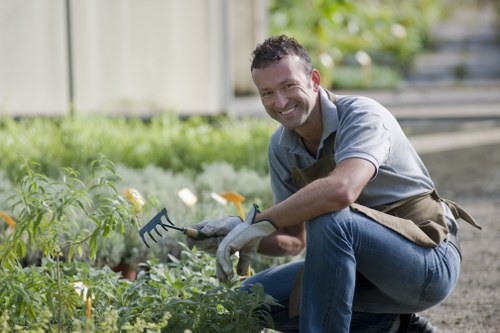 The borough's approach to waste separation is practical and consistent: signage and separate containers for garden waste, food-to-compost, mixed recycling and non-recyclable rubbish. We encourage residents and gardening services to label and separate materials at the point of collection. Simple habits — like keeping soil separate from plastic and removing pot labels — improve the quality of recycled material and lower processing costs.
Finally, sustainability is reinforced through measurable reporting, frequent audits of contamination rates and transparent progress toward targets. Gardening Ealing fosters local circularity by pairing low-emission transport, local transfer station coordination, and charity partnerships to ensure garden waste becomes a resource rather than a cost. Together, these measures help the borough move toward a truly sustainable rubbish gardening area and a resilient, eco-friendly waste disposal area for all residents.