Insider tips for hiring garden services near Pitshanger Village
If you are trying to hire garden services near Pitshanger Village, you probably want more than a tidy lawn and a quick hedge trim. You want someone reliable, careful with your property, and realistic about what your garden actually needs. That sounds simple enough, but in practice it is where many homeowners get caught out.
In this guide, we will walk through the insider tips that help you choose better, avoid the usual headaches, and get a service that genuinely fits your garden, your budget, and your schedule. Whether you need regular upkeep, a one-off clear-up, or something more involved, a little local know-how goes a long way. And yes, it can save you from that awkward moment when a quote looks fine on paper but the result... not so much.
Why Insider tips for hiring garden services near Pitshanger Village matters
Hiring a gardener is not just about finding someone with a van and a mower. Near Pitshanger Village, gardens can vary a lot in size, layout, shade, access, and maintenance demands. A neat front garden off a busy residential street has different needs from a back garden with mature planting, awkward access, or a tired lawn that has seen one too many wet winters. Truth be told, the best results usually come from matching the service to the garden, not the other way around.
This matters because garden work is one of those services where a bad fit can be expensive in ways people do not always spot straight away. Maybe the hedge gets clipped too hard. Maybe the lawn is cut too short for the season. Maybe a clearance job leaves behind waste because disposal was not discussed clearly. None of that feels dramatic in the moment, but it tends to show up later. Brown patches, regrowth issues, extra costs, and a bit of regret.
There is also the trust factor. The person you hire may need access to side passages, rear gates, storage areas, or even fragile planting close to the house. You want to know they will treat the space with care, leave it safe, and communicate properly if they spot a problem. That is why the hiring process deserves a bit more thought than the average "Can you come next Tuesday?" message.
If you are comparing broader service options, it helps to look at a provider's full services overview so you can see whether they cover routine upkeep, tidy-ups, landscaping, and more specialist work. For many households, regular garden maintenance is the simplest way to keep things under control without playing catch-up every few months.
Expert summary: The smartest hire is rarely the cheapest or the flashiest. It is the one that understands your garden, explains the plan clearly, and does the basics properly every single visit.
How Insider tips for hiring garden services near Pitshanger Village works
The process is usually straightforward, but the details matter. In most cases, you start by identifying what the garden actually needs, then you compare providers on scope, not just price. After that, you ask about timing, materials, disposal, insurance, and any regular visit pattern. Simple. But a lot can go wrong between those steps if the questions are not specific enough.
Good garden services often begin with a brief assessment. This might be a look at the lawn, hedges, borders, access points, and any visible problem areas such as heavy leaf build-up, overgrowth, drainage issues, or neglected corners. A good provider will not rush that part. They will want to understand whether you need a one-off tidy, seasonal work, or a longer-term arrangement.
If your garden needs recurring care, the conversation should include how often visits are sensible. A lawn that grows quickly in spring may need more frequent mowing, while hedges may only need attention at certain points in the year. You can also split the work into categories. For example, lawn care one month, hedge trimming the next, and then a clearance session after a stormy spell. That approach is often far more practical than bundling everything into one vague request.
For larger or more neglected spaces, it may be worth checking whether the provider handles garden clearance before moving into maintenance. Likewise, if the garden includes structures, paths, or decking that need shaping into the overall design, landscaping or landscape gardening may sit alongside the basic maintenance plan.
The most important thing to remember is that the service should feel like a plan, not a guess. If it sounds vague during the quote stage, it will usually stay vague after the work starts. And that is when misunderstandings creep in.
Key benefits and practical advantages
There are obvious benefits to hiring garden services, of course. The garden looks better. You save time. You avoid doing heavy jobs yourself on a damp Saturday morning. But the better benefits are the ones people notice after a few weeks or months.
- Consistency: A regular service helps keep the garden under control before small jobs become messy ones.
- Healthier growth: Proper mowing, pruning, and trimming support better plant and lawn condition over time.
- Less stress: You are not trying to fit outdoor jobs around work, family, and weather that does whatever it likes.
- Better presentation: A tidy garden makes the whole property feel more cared for, which matters if you host guests or are thinking about future resale value.
- Safer outdoor space: Clearing trip hazards, fallen branches, and overgrowth can make the garden easier to use.
There is also a quieter advantage: better judgment. An experienced gardener will often notice things a homeowner might miss, such as grass stress, hedge dieback, drainage spots, or a tree that needs attention before it becomes a bigger issue. That kind of practical observation is worth paying for. You do not always need a dramatic intervention; sometimes you just need someone who can say, "Leave that alone for now, but keep an eye on it."
For gardens that need a lighter touch, services such as lawn mowing or hedge trimming may be enough. For more demanding spaces, a combination of maintenance and periodic clearance usually works better.
Who this is for and when it makes sense
This guide is useful for a few different types of people, and not all of them think of themselves as "garden people". That is fair enough.
You may need garden services if:
- you are busy and the garden keeps slipping down the list
- the property has become overgrown after a period of neglect
- you are new to the area and do not yet know local providers well
- you want regular care rather than one-off rescue jobs
- you are preparing a home for sale, rental, or family use
- you need help with physically demanding or awkward tasks
It also makes sense if your garden has specific limitations. Narrow side access, mature shrubs, steep steps, confined storage space, or tired turf can all change the kind of service you need. In a small rear garden, for example, a provider with the right tools and a tidy working style matters more than someone who just promises to get it done quickly.
To be fair, some people only need seasonal support. A spring reset, a summer tidy, or an autumn clear-down can be enough. Others benefit more from a standing arrangement that keeps the whole space under control across the year. Neither is wrong. The key is choosing honestly.
Step-by-step guidance
If you want a better hire experience, follow a simple process. It saves time and keeps the conversation grounded.
- List what the garden needs. Separate mowing, trimming, pruning, clearance, waste removal, and any design work.
- Decide what success looks like. For example, "tidy and maintained every fortnight" is better than "make it look better".
- Check service scope. Make sure the provider actually offers the type of work you need, not just a general promise.
- Ask how they price jobs. Some work is easier to estimate than others, so ask what is included and what could change the price.
- Discuss access and waste. Who provides tools? Who removes clippings? What happens to green waste?
- Confirm timing and frequency. One-off, weekly, fortnightly, monthly, seasonal - these all create different results.
- Ask about insurance and safety. This is where professional providers usually stand apart from casual operators.
- Start with a smaller job if unsure. A single visit can tell you a lot about communication, care, and reliability.
That last point is underrated. A smaller initial booking is often the cleanest way to test a provider. If they arrive on time, talk clearly, and leave the space properly finished, you have a much better idea of what to expect next time. If they do not... well, you have learned something useful without committing to a bigger job.
If the work extends beyond upkeep and into broader design or rebuilding, look at whether the provider can support landscape gardening or specific upgrades such as decking services. That is especially useful if you are trying to turn a tired outdoor area into something more functional.
Expert tips for better results
Here are the details that make a real difference, especially if you want a dependable long-term relationship rather than a one-off tidy-up.
1. Ask for the plan before you ask for the price
A serious gardener can usually explain the order of work. For example: cut back overgrowth, collect waste, reshape borders, mow, then tidy edges. If the sequence is unclear, the job may be unclear too. You do not need jargon. You need a sensible method.
2. Be precise about finish quality
"Tidy" means different things to different people. One homeowner means professionally neat. Another means "I can finally see the path again." Say what matters to you. If you care about crisp lawn edges, mention it. If you want a natural look with minimal stripping back, say that too.
3. Match the service to the season
Spring and early summer can need more frequent mowing and edging, while autumn often brings leaf clearance and more general tidying. In winter, some jobs pause or shift focus. A provider who understands the rhythm of the garden will make better suggestions than one who tries to sell the same package all year round.
4. Ask about sustainability choices
Not every garden job has to create unnecessary waste. Some providers separate green waste for recycling or composting, and some are more thoughtful about fuel use and disposal. If that matters to you, ask directly. It is a fair question, and it usually tells you something useful about their working habits.
5. Check how they deal with awkward details
Stuck gates, sloping ground, thorny shrubs, or tree work near boundaries can all complicate a simple visit. The best providers raise these issues early, not after the job has started. That honesty is what you want.
A small but important tip: if you feel rushed during the quote stage, pause. A good provider can be efficient without making you feel hurried. There is a difference, and you can usually spot it in the first five minutes.
Common mistakes to avoid
Most hiring problems come from a handful of avoidable mistakes. They are common, but still annoying.
- Choosing on price alone: Cheap can become expensive if the work is rushed or incomplete.
- Giving a vague brief: "Sort the garden" is too broad for a proper quote.
- Not asking about waste removal: You may assume clippings and debris are included when they are not.
- Ignoring access issues: Narrow entry points, parking, and shared spaces can affect the job.
- Skipping proof of insurance: If tools, ladders, or tree work are involved, this matters more than people think.
- Assuming all gardeners do the same work: Regular maintenance, clearance, and landscaping are different skills.
- Letting poor communication slide: If they are unclear before work starts, they are unlikely to improve later.
One more thing: do not expect the provider to read your mind. A tidy garden in your head may not look the same as theirs. Slightly awkward, perhaps, but true. The fix is simple. Say what you want, show photos if needed, and confirm the main tasks in writing or by message.
Tools, resources and recommendations
You do not need specialist equipment to make a good hiring decision. A notebook, a few photos, and a short list of priorities can do most of the work. That said, a little preparation makes quotes much more accurate.
Helpful things to have ready:
- photos of the garden from a few angles
- a list of recurring issues, such as weeds, uneven grass, or hedge growth
- notes on access, parking, side paths, or locked gates
- an idea of whether you want one-off help or ongoing maintenance
- any preference around waste removal or sustainability
It can also help to browse the provider's wider service pages so you understand how they position different types of work. For example, if you know a hedge is getting out of hand, you can review hedge trimming. If the lawn is the main issue, lawn mowing may be the most relevant starting point. If the job is bigger and messier, garden clearance can help you reset the space first.
For property owners who want to understand the business side a little better, it is also worth reviewing pricing and quotes. That can make the conversation around scope and value much easier.
Law, compliance, standards, or best practice
For garden services, compliance is mostly about sensible professional practice, safety, and clear customer handling. You do not need to become a technical expert, but you should expect the provider to work responsibly.
At a minimum, a trustworthy gardener should be able to explain how they handle safe working practices, property care, and insurance. If the job involves equipment, ladders, cutting tools, tree work, or waste removal, those responsibilities become more important. You want a provider who treats risk properly rather than improvising on the day.
It is also reasonable to ask how they manage:
- public and property safety during work
- care around paths, windows, fences, and planting
- appropriate disposal or recycling of garden waste
- payment clarity and written terms
- complaints handling if something goes wrong
These are not fussy questions. They are normal business questions. A professional company should not be put off by them.
If you want to review the company's own approach to safe working, their health and safety policy and insurance and safety information can be useful references. For payment-related confidence, payment and security is worth a look too.
Options, methods, or comparison table
Different garden jobs call for different types of service. The table below gives a practical comparison to help you decide what to ask for first.
| Service type | Best for | Typical strength | Watch out for |
|---|---|---|---|
| Regular garden maintenance | Homes that need ongoing care | Consistency and ease | Needs clear frequency and scope |
| Lawn mowing | Lawns that need steady upkeep | Fast visual improvement | Cutting too short in the wrong season |
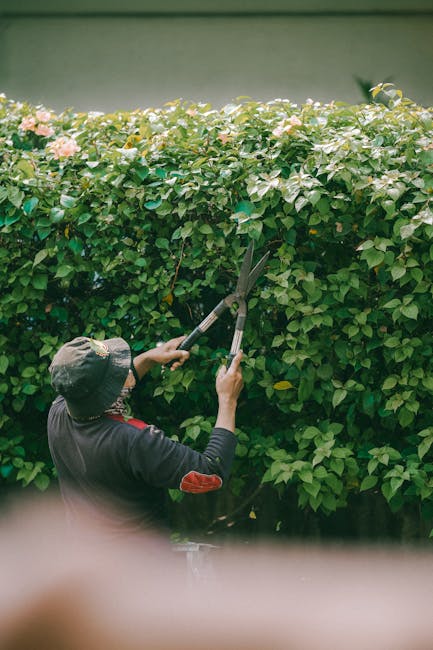
| Hedge trimming | Boundaries and shaping work | Neat structure and control | Over-trimming or uneven lines |
| Garden clearance | Overgrown or neglected spaces | Big reset in one visit | Waste removal and disposal need clarity |
| Landscaping / landscape gardening | Redesign or layout changes | Long-term transformation | Requires planning, budget, and patience |
| Tree lopping and removal | Tree-related safety or space issues | Specialist handling | Should only be arranged with proper caution |
In many real situations, the answer is not one service but a sequence. You might begin with clearance, move into maintenance, and then consider landscaping later. That staged approach is often easier on the budget and easier on the nerves too.
Case study or real-world example
A typical scenario near Pitshanger Village goes something like this. A homeowner has a back garden that looked manageable in early spring, then quickly became a tangle of fast-growing lawn edges, a hedge leaning over the path, and a corner full of cuttings from a previous DIY attempt. Nothing catastrophic. Just one of those gardens that quietly starts winning the battle.
Instead of asking for "a general tidy", they split the job into three parts: first clearance of the cuttings and dead material, then hedge trimming and lawn mowing, then a follow-up maintenance visit two to three weeks later. That made the quote clearer, the work easier to schedule, and the result much better than doing everything in a rush.
What made the difference was not fancy equipment. It was the brief. The homeowner knew the access point was narrow, mentioned that the compost bin needed to stay clear, and asked for waste to be removed rather than left in bags. The provider could then work properly without guessing.
By the end, the garden did not look "finished" in a dramatic, magazine-cover sense. It looked usable, calm, and cared for. Honestly, that is often the real win. You step outside, hear the birds, see the borders again, and suddenly the space feels like part of the house instead of a problem hanging off the back of it.
Practical checklist
Use this before you confirm any booking.
- Have I clearly listed the tasks I want done?
- Do I know whether I need one-off help or regular visits?
- Have I checked what is included in the quote?
- Have I asked about waste removal and green disposal?
- Do I know whether the provider has the right experience for hedges, lawns, clearance, or landscaping?
- Have I mentioned access issues, parking, pets, or locked gates?
- Have I asked about insurance and safety practices?
- Do I understand the payment terms before work begins?
- Have I looked at the provider's service pages so I know what they actually offer?
- Am I comfortable with the communication style so far?
If you can tick most of those off, you are already ahead of most people who hire in a hurry and hope for the best. Hope is lovely. It is not a strategy.
For a broader sense of who you are dealing with, you can also read the company's about us page, which can help you judge whether their approach feels practical and professional. If you want to explore the full range before deciding, the services overview is the most useful place to start.
Conclusion
Hiring garden services near Pitshanger Village becomes much easier once you stop treating it like a quick errand and start treating it like a small but important decision. The best provider is the one that understands your space, explains the work clearly, and gives you confidence that the garden will be looked after properly.
That might mean a regular maintenance plan, a one-off clearance, hedge trimming, or a more involved landscaping project. It might mean asking a few extra questions up front. It almost certainly means being specific. The good news? Once you do that, the whole process gets calmer, quicker, and far less hit-and-miss.
And if the garden has been bothering you for weeks, maybe even months, there is a real relief in getting it sorted. Not perfect. Just better. Sometimes that is exactly what you need.
Get a free quote today and see how much you can save.
Frequently Asked Questions
What should I ask before hiring garden services near Pitshanger Village?
Start with the basics: what exactly is included, how they price the work, whether waste removal is covered, and how often they recommend visits. If the garden has awkward access or bigger issues, mention those early. Clear answers now usually mean fewer surprises later.
Is it better to hire for one-off garden work or ongoing maintenance?
It depends on the condition of the garden. If it has become overgrown or cluttered, a one-off clearance first often makes sense. If you want the garden to stay tidy with less effort, ongoing maintenance is usually the better long-term option.
How do I know if a gardener is a good fit for my property?
Look at how they communicate. Do they ask sensible questions? Do they understand the difference between mowing, trimming, clearance, and landscaping? Do they seem interested in your garden rather than pushing a generic service? That tells you a lot.
Should I get more than one quote?
Yes, if the job is more than a very small task. Two or three quotes can help you compare scope, professionalism, and value. Just make sure you are comparing like for like, because a cheaper quote may simply include less work.
What is usually included in garden maintenance?
Garden maintenance can cover mowing, edging, hedge trimming, light pruning, weeding, tidying borders, and general upkeep. But the exact scope varies, so always confirm what is included before booking.
Do I need garden clearance before maintenance?
Sometimes, yes. If the space is cluttered, overgrown, or filled with debris, a clearance visit can make future maintenance far more effective. It is hard to maintain a garden properly if it is still full of leftover mess.
How often should a lawn be mowed?
There is no one-size-fits-all answer. Growth changes with the season, weather, and grass type. A good gardener will suggest a frequency based on what your lawn is doing rather than giving you a fixed rule that does not fit the garden.
What if my hedge is too big for a basic tidy-up?
Then you may need a more structured hedge trimming visit, or in some cases a broader clearance or landscaping discussion if the hedge is affecting the layout. It is better to be honest about the scale of the job than to hope a small visit will somehow solve everything.
Are garden services worth it for a small garden?
Absolutely. Small gardens can become messy quickly, and because the space is compact, every untidy detail shows. A short, focused visit can keep the garden looking sharp without much disruption.
How do I avoid hidden costs when hiring a gardener?
Ask what is included, whether waste removal costs extra, and whether the price changes if the job takes longer than expected. A good provider will explain that clearly. If they are vague, press for specifics before agreeing.
Can garden services help with landscaping as well as maintenance?
Yes, some can. If you are planning improvements beyond routine care, look for providers that handle both maintenance and larger projects. That way, the same team can support the garden as it evolves instead of resetting the conversation every time.
What should I do if I am unhappy with the work?
Raise it promptly and calmly, with specific points about what is wrong. Good providers should have a clear complaints process and be willing to discuss a fix. It is always easier to sort issues early than after everyone has moved on.
Is it worth asking about sustainability?
Yes, especially if you care about waste handling and responsible garden care. Some providers take recycling and sustainability more seriously than others. It is a perfectly sensible question, and it can reveal a lot about how they operate.
How soon should I book during the busier months?
As early as you can. Spring and early summer tend to be busy, and good slots can fill up fast. If your garden needs work before a family event, house viewing, or holiday, do not leave it to the last minute.